
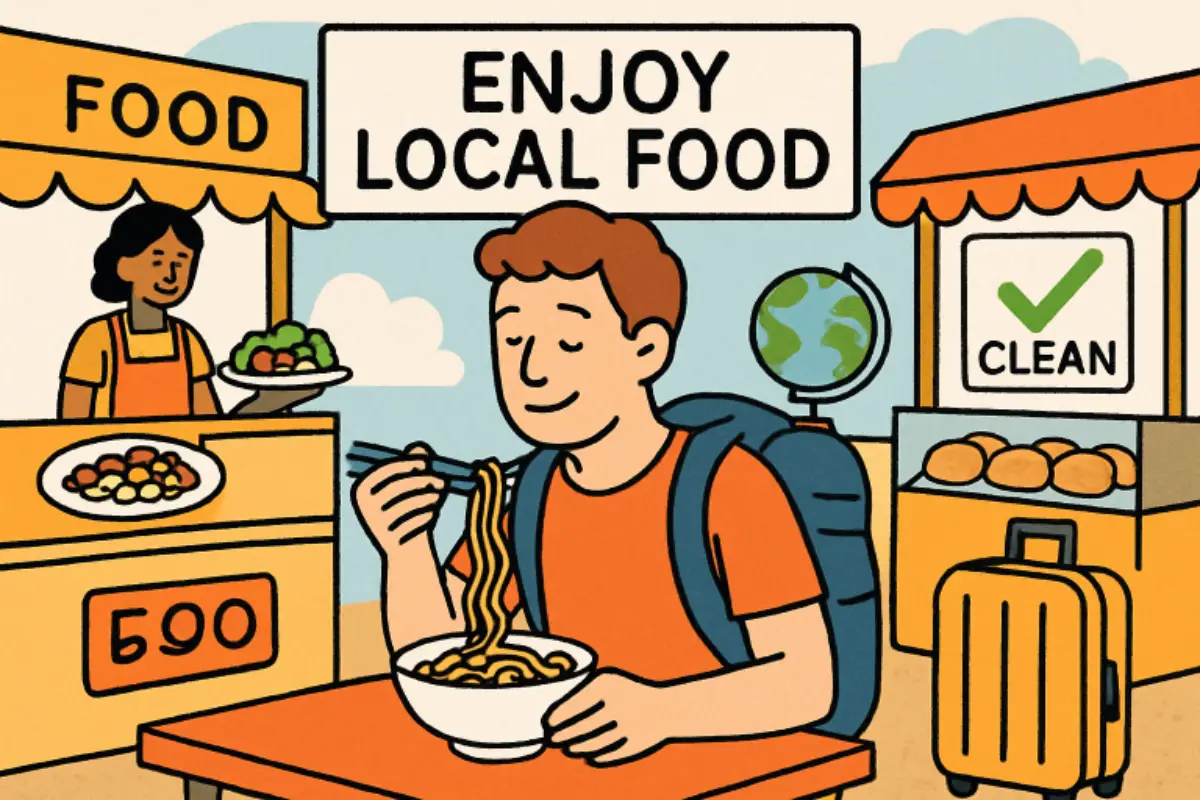
Culinary Journeys: Staying Savvy and Satisfied When Dining and Traveling Abroad
Exploring global cuisines is a travel highlight, offering unique flavors and stories that make each destination memorable. Food from street markets to family-run places connects cultures and deepens understanding of traditions. However, unfamiliar culinary settings pose risks, like scams or rip-offs, so travelers should stay vigilant about what they eat and the integrity of local businesses.
Common Risks When Dining Abroad
Participating in a country’s culinary scene is essential to traveling. Yet, it’s easy to fall prey to common pitfalls like foodborne illnesses, intentionally misleading menus geared toward tourists, or unscrupulous billing practices. Travelers may also encounter times when the ambiance is inviting, but the food quality or hygiene fails to meet expectations. As noted by experts such as Claudette Rickett, arming yourself with knowledge and awareness helps minimize these risks, allowing you to focus on enjoying new experiences.
Recognizing Reputable Restaurants and Street Vendors
Finding a trustworthy place to eat is more than seeing a crowd at the door. While busy restaurants are sometimes an indicator of quality, what’s more revealing is who is dining there—locals, not just tourists. Seek recommendations from local sources, such as hotel or accommodation staff, and supplement these with review platforms like Google or TripAdvisor. Pay attention to food prep areas, cleanliness, and whether vendors use basic hygiene practices, including gloves and fresh utensils for each customer.
Food Fraud: Tips and Red Flags
To avoid scams, be cautious of menus without listed prices, staff’s transparency, and unexpected charges. Pay by card for digital records and double-check cash changes. Trust established sources to spot red flags and make informed decisions before eating. Scams can occur in busy tourist districts, so rely on established sources to avoid inflated bills and ensure a positive dining experience.
Staying Healthy While Indulging Abroad
Traveling often exposes you to new bacteria and preparation styles. To avoid illness, opt for bottled water in high-risk areas and be wary of raw or undercooked food, especially in regions known for waterborne diseases. Washing your hands thoroughly before meals, sticking to freshly cooked dishes, and using hand sanitizers are basic practices that go a long way in keeping you healthy and on your feet. Sampling local specialties freshly made daily reduces your risk while offering the most authentic taste experiences.
Support Networks and Making Safe Choices
Connecting with fellow travelers can be invaluable. Whether you join food tours led by local experts or participate in online travel communities, these support systems provide firsthand tips and alerts about reputable eateries and recent scams. Dining as a group can increase your safety and open doors to new culinary friendships and richer cultural exchanges.
Real-Life Stories: Lessons from Travelers
Many globetrotters share anecdotes of culinary missteps and triumphs, from ordering pricey menu items by accident in unfamiliar languages to discovering a hidden gem based on a local’s tip. Sharing stories allows others to learn. One traveler in Rome recounted dodging a costly bill by skipping crowded tourist traps in favor of quiet cafes suggested by residents—a reminder that exploring off the beaten path often rewards you with both savings and memorable meals.
How to Report Issues When Traveling
Act quickly if you believe you’ve been the victim of a scam or suffer from unsafe food. Contact the local tourism board, consumer protection agency, or your embassy, especially if health or legal intervention may be necessary. Take photos, collect receipts, and document everything relevant to your experience for formal reporting. Many major cities provide hotlines or online portals to assist international visitors who encounter trouble.
Conclusion
Culinary adventures are among the most cherished aspects of traveling. By combining curiosity with caution—listening to local insights, checking for hygiene, being mindful of potential scams, and relying on trusted recommendations—you can savor every dish confidently. Preparation protects your health and wallet and ensures your journeys are seasoned with the best flavors your destination offers.