
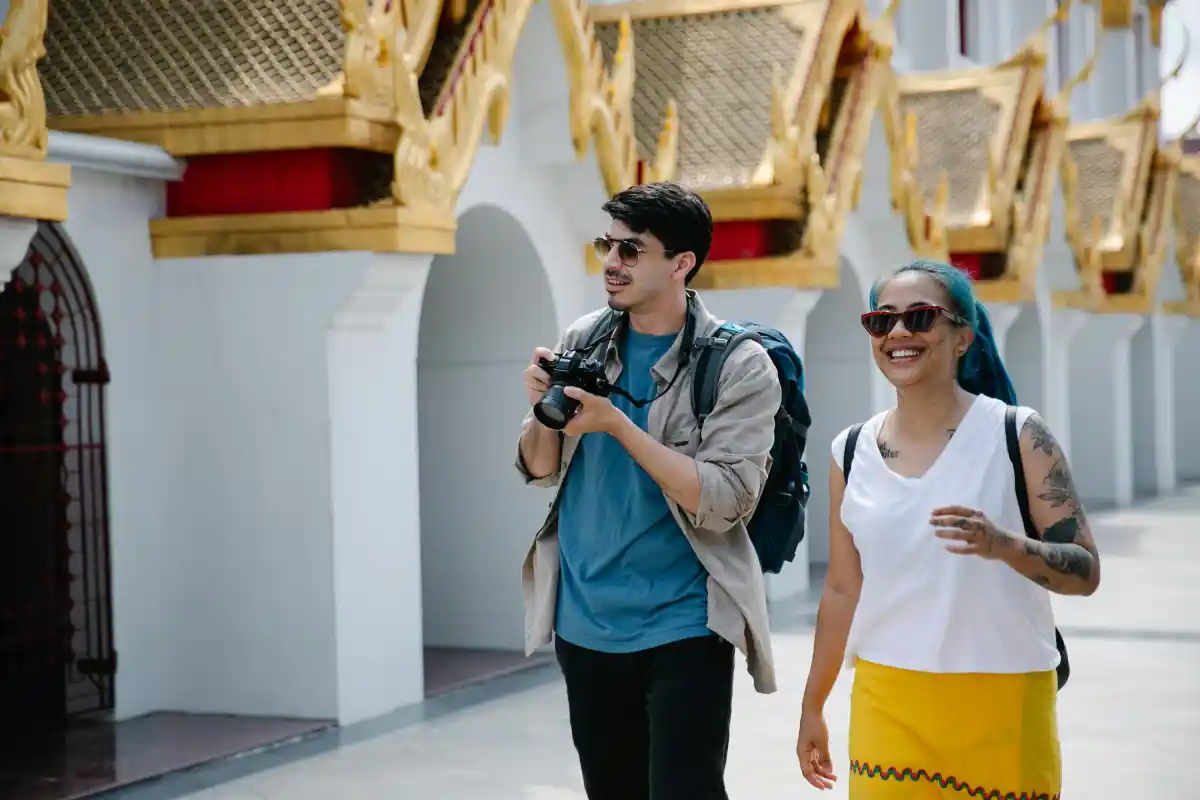
Travelling with Purpose: Experiencing Culture Beyond the Surface
Travel does feel different now. Not in a way that’s easy to explain, and definitely not something that happened overnight. It’s more like a slow shift. There’s less of that pressure to keep moving all the time. Or maybe people are just getting tired of it. Running through places, checking things off, it used to feel efficient. Now it just feels… rushed, mostly.
Spending longer in one place changes things. Not in a big, dramatic way. Just small things. Walking down the same street again and noticing something that didn’t stand out before. Sitting somewhere a bit longer than planned. Watching how things move without trying to be part of it immediately. It sounds simple, but it sticks more. And not everything needs to be turned into something memorable on purpose. Some things just are.
Contents
Cultural Appreciation vs. Cultural Consumption
The majority of travel stays at the surface level, and this is often how things behave and work. After tasting and enjoying the food, touring a few sites, and perhaps listening to a guide explain the basic things and places, people move on. That’s perfectly OK, but eventually the experience becomes repetitive and dull. Different locations start to blend together. The reason is that context is frequently lacking. Without it, anything may appear intriguing at the time, but leaves little trace. It is observed, momentarily admired, and then forgotten.
For example, a cathedral, it may have an outstanding appearance, but it doesn’t really matter if you don’t know what it stood for at the time or what it still stands for today. This also holds true for mosques and temples. These locations are an integral part of how people live, come together, and structure their everyday lives. These places aren’t built just to be visited. They’re used constantly. People come back to them, rely on them, shape parts of their day around them.
UNESCO calls this “living heritage.” That phrasing makes more sense than most others. These places aren’t stuck in the past or frozen in time. They’re part of something ongoing. Once that clicks, even slightly, behaviour shifts without much effort. There’s less distraction, less noise. And when that awareness isn’t there, it shows. Usually, more than people realise.
The Role of Responsible Tourism
Sustainability gets talked about a lot, but usually from one angle. Environmental impact tends to dominate the conversation, while the social side is pushed into the background. In reality, both matter, and often at the same time. Where money goes is part of that, and probably more important than it seems at first.
Buying products that are made locally rather than imported may seem like a modest decision, but it directly benefits the locals. The same holds true for hotel rooms and lodging. Locally hired businesses often retain greater value in the community rather than moving it elsewhere. At the time, these choices don’t seem important. However, they eventually influence how tourism impacts an area or region.
The UN World Tourism Organization emphasises how crucial it is to preserve communities’ identity and authenticity. Convenience, however, frequently dominates in practice. Easy choices, consistent and reliable experiences, and well-known brands frequently make people feel secure, especially in unfamiliar locations. The majority of people fall back on it. Making alternative decisions isn’t hard, but it does need a little more consciousness.
In most places, faith isn’t separate from daily life. It’s just there, built into things. Not always obvious, but present. Churches, temples, mosques; they’re not only for specific moments. In a lot of communities, they’re part of routine life. People gather there, learn there, and return to them regularly.
In Bangladesh, mosques often function as everyday spaces, not just religious ones. Something similar happens elsewhere, too. Temples in India, churches in parts of Africa, and synagogues in smaller communities. Different forms, but the pattern repeats.
From the outside, it’s easy to think of religion as something separate. Optional, even. But that perspective doesn’t really hold up once you spend a bit of time observing. It doesn’t take long to notice the difference. Even a short amount of time changes how these spaces are understood.
Extending Impact Beyond the Journey
Most trips end and stay that way. But sometimes, certain details don’t leave as quickly. Small things, mostly. Things that didn’t seem important at the time. How a place functions. What it might be missing. What people rely on more than expected. That awareness doesn’t always turn into action. But sometimes it does, quietly.
For example, initiatives that build a mosque in Bangladesh aren’t really about construction in the straightforward sense. It’s more about maintaining a space people already depend on, something that stays part of daily life. Similar efforts exist in other places, too. Temples being repaired, churches maintained, and local spaces supported. Different locations, same general idea. Nothing overly structured. Just keeping things going.
A More Grounded Way to Travel
There isn’t really a system for this. It’s not something that needs to be planned carefully. If anything, it works better when it isn’t. Slowing down helps, but that’s obvious. What’s less obvious is how much changes when there’s less need to capture everything. Letting moments pass without turning them into something immediate, it feels unusual at first, but it shifts attention.
Not every trip needs to be meaningful in a big way. But when everything stays at the surface, it tends to fade quickly anyway. Depth is there. It just doesn’t compete for attention unless you let it.